

Brain Research UK: Branded Wristbands and Flags for the London Marathon
Discover how Brain Research UK utilised branded wristbands and flags for effective visibility and engagement at the...
Discover how Brain Research UK utilised branded wristbands and flags for effective visibility and engagement at the 2026 London Marathon.
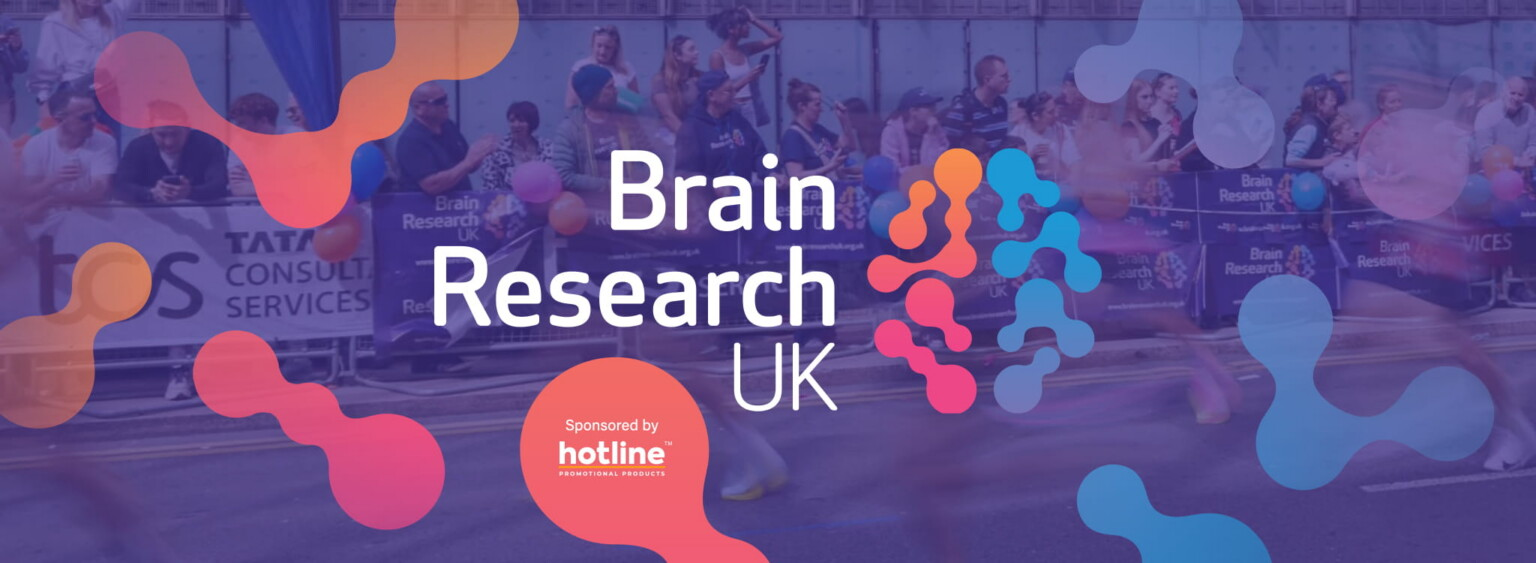
Hotline Promotional Products sponsored branded silicone wristbands and hand-waving flags for Brain Research UK at the 2026 TCS London Marathon, where more than 300 runners represented the charity. Wristbands went to runners at registration at London ExCeL. Flags went to supporters, to create visible cheer points along the 26.2-mile route.
| Name | Description |
|---|---|
| Client | Charity, medical research and fundraising |
| Sector | Charity, medical research and fundraising |
| Product | Branded silicone wristbands, branded hand-waving flags |
| How it was funded | Hotline sponsorship |
| Event | 2026 TCS London Marathon. Runner registration at the Running Show, London ExCeL |
| Audiences | Wristbands to runners at registration. Flags to supporters along the route |
| Result | More than 300 runners for the charity. By May 2026 the campaign had raised more than £850,000 |
Who Brain Research UK are
Brain Research UK funds research into neurological conditions, working towards what the charity describes as a world where everyone with a neurological condition lives better, longer. Brain Research UK says one in six people in the UK live with a neurological condition. The London Marathon is one of its largest fundraising moments of the year. In 2026 more than 300 runners took part on the charity's behalf, and by May 2026 the campaign had raised more than £850,000.
The problem: being seen when you are the smaller charity
Hundreds of charities take part in the London Marathon and they are not competing on an even footing. Yvonne West at Brain Research UK put the problem plainly:
On race day itself, one of our main challenges is visibility. As a smaller team, we simply don't have the same number of volunteers or the large-scale presence that some bigger charities are able to create.
This is worth sitting with, because it is the actual buying question underneath most charity merchandise orders and it is rarely stated out loud. A charity with a hundred volunteers and a branded gazebo every two miles does not need to think about visibility. A charity with a dozen people does, and the answer is not to buy more of everything. The tactic that works is concentration. A small number of supporters spread thinly along 26.2 miles is invisible. The same number gathered at two or three points, all holding the same branded flag, is a landmark a runner can look for and find. You are not trying to cover the route. You are trying to make three places on it unmistakable.
Why wristbands for the runners
Runners collected their branded silicone wristbands at registration, at the Running Show at London ExCeL, before race day. A wristband is an unusual promotional product because it is worn by the person it was given to rather than seen by strangers, and its job on race day is internal:
The wristbands helped to boost morale in difficult times for the runners as they were an important visual reminder to reconnect with their 'why' and the reason they were running during the marathon.
Most people running a marathon for a medical research charity have a specific reason, and most of them hit a point somewhere after mile eighteen where they need reminding of it. A wristband is in their eyeline for four hours and cannot be dropped, put down or left in a bag, which is not true of anything else you could give them. The practical lesson is about timing rather than product. Handing these out at registration rather than at the start line meant runners had them the night before, which is when the nerves are worst.
Why flags for the supporters
Flags went to the people watching rather than the people running.
Supporters are the most under-served audience in event merchandise. They stand still for hours, they are the ones actually looking at the crowd, and they are almost always given nothing. A hand-waving flag solves the charity's visibility problem and the supporter's problem at once: it gives them something to do with their hands and it turns a scattered group into a recognisable block of colour.
If you are buying for a mass participation event, split your budget between the two audiences rather than spending all of it on participants. The runners are moving past at speed. The supporters are there all day, in one place, holding your logo up at head height.
Being able to offer them these items created a really meaningful moment of connection.
Getting the branding right before production
Charity brand guidelines tend to be strict, for good reason. A logo that has been stretched or recoloured on a wristband is the kind of thing that gets noticed by exactly the people a charity most needs to keep happy.
The Visual Proof™ stage was especially helpful. It gave us real confidence in how the final products would look and ensured everything aligned perfectly with our branding before going into production.
A Visual Proof is a digital image of the product with your own logo applied at the size and in the position it will print. Ours are free, come back within 20 minutes during working hours, and carry no obligation to order. On small print areas like a wristband it matters more than usual, because a logo that reads fine on a tote bag can lose its detail entirely at wristband scale, and the proof is where you find that out rather than after the run.
Our guide to promotional products for charity events and fundraisers covers budgeting on charity funds, and how to choose promotional products for an event covers matching a product to the audience. You can read more about how a Visual Proof works before committing to anything.
Every product page shows its own price at the quantity you enter, its minimum order and its guaranteed delivery date, before you speak to anyone. To see what is available, browse our wristbands and badges, our charity and community merchandise or our full product range.