

What to Include in a New Starter Welcome Kit
What goes in a new starter welcome kit, why it has to arrive on day one, what to send remote starters, how to handle...
What goes in a new starter welcome kit, why it has to arrive on day one, what to send remote starters, how to handle sizes, and how to make it repeatable.

Related topics
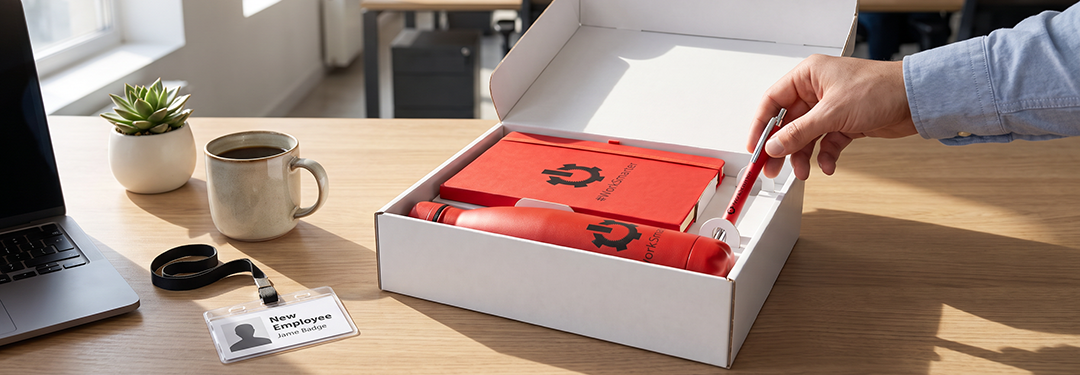
View allA good new starter welcome kit has four things in it: something to write on and with, something to drink from, something to wear or carry, and something to eat. Add a handwritten card and the practical information they need for day one, and that's the kit.
What matters at least as much as the contents is when it arrives. A kit that turns up in week three does far less good than the same kit on day one.
What goes in a new starter welcome kit?
Start with things they'll use in their first week rather than things that represent your brand values.
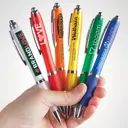
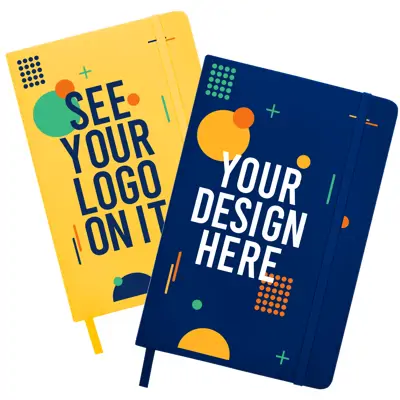
Something to write on and with. A decent notebook and a pen that works. It's the item most used in the first fortnight, when someone is being told forty things a day and remembering four.
Something to drink from. A mug for the desk, or a reusable bottle if they'll be moving around. It's the one item that stays in daily use for years.
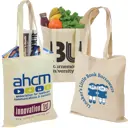
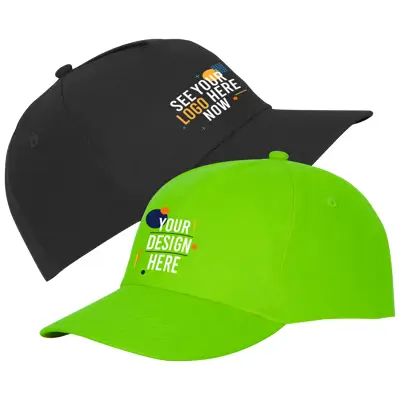
Something to wear or carry. A hoodie, a t-shirt or a tote bag, depending on how formal your workplace is and whether people would actually wear branded clothing there. In some organisations it's the best thing in the kit. In others it goes straight in a drawer, so be honest about which you are.
Something to eat. Branded chocolate, sweets or a decent bag of coffee. It costs little, it gets consumed rather than binned, and it's the thing people mention.
A handwritten card. From the manager or the team, not from the company. This is the cheapest item in the kit and reliably the one people keep.
The practical bits. Wi-Fi details, a first week schedule, who to ask about what, where to park, where people actually eat lunch. Onboarding paperwork belongs in an email; this is the version that's useful on the day.
Anything role specific. A laptop stand for someone at a desk all day, a lanyard and badge holder for a site or a ward, a set of safety gear for anyone on a site.
New Starter Products
View All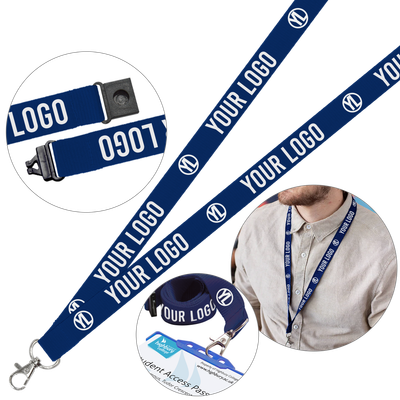


Why does the timing matter as much as the contents?
Because the point of a welcome kit is to make someone's first day feel prepared for, and a kit that arrives afterwards can't do that.
The practical answer is to order against the start date rather than hoping. When you're choosing products, check the delivery date shown for the option you've picked before you pay, and pick one that lands with a few days to spare. That date is guaranteed once your order is placed, so you can plan the first day around it.
If you're posting to someone's home before they start, build in another few days and confirm the address early, because that's the step that slips.
What should you send a remote or hybrid starter?
The same kit, posted to arrive the day before they start, with two adjustments.
Choose things that post well
A hardback notebook, a bottle, a beanie, coffee and chocolate all survive a courier. Anything fragile, bulky or awkward is more expensive to send and more likely to arrive damaged.
Ask before you send
Not everyone wants a work parcel arriving at home, and you need a delivery address they're happy with rather than one you've on file for payroll.
The mistake to avoid is sending remote starters a lesser version of the kit. If your office based hires get a hoodie and your remote hires get a pen, everyone will notice by the end of the first week.
What should you leave out?
Anything that only works at a desk. Desk toys, framed items and mouse mats have a narrow audience and a short life.
Sizes you had to guess. More on this below.
Food without checking. Dietary requirements vary, and a welcome gift someone can't eat is a worse first impression than no food at all.
Too much branding. A logo on a good notebook gets used in public. A notebook covered in logos gets used at home, if at all. The same goes for clothing.
The employee handbook. It isn't a gift and it doesn't belong in a box with chocolate. Send it separately.
How do you handle clothing sizes?
Ask before the start date, and ask properly.
Collecting sizes is almost always the slowest step in a welcome kit order, and it's entirely within your control. Put the question in the offer paperwork or the pre start email rather than leaving it to the first week, by which point it's too late to order anything.
Two practical points. Offer a size chart rather than just small, medium and large, because branded clothing sizing varies between products and people guess badly. And order a small buffer in the most common sizes, because someone will always need a different one and a second order means paying a second setup charge.
If sizes are going to be the thing that delays the kit, consider a version that doesn't include clothing for day one, with the clothing following once sizes are confirmed. A complete kit on day one beats a better kit in week three.
Popular Team Clothing
View All



How do you make it repeatable?
Most teams hiring regularly build the kit once and then reorder it, which is a different problem from designing it.
Three things make that easier.
Order in batches rather than per person
A kit for one is expensive, because setup costs are the same whether you're branding five items or five hundred. Order enough for a quarter or a year of expected hires and the per kit cost drops sharply.
Keep the order so you can repeat it
Your past orders and your organisation's previous orders are stored in your account, so reordering the same kit is a few clicks rather than starting again. It also means whoever picks this up after you doesn't have to work out what was in it.
Assemble in-house, order in bulk
Ordering each item in quantity and packing the kits yourself is almost always cheaper than ordering individual kits, and it lets you vary the contents by role without changing the order.
If different people need to approve the order, you can share a basket with them so they can see exactly what's being proposed before it goes anywhere.